
Quick Overview: To choose a 2027 wedding date before photographers...
Read More
Share On Social Media
Documentary Wedding Films vs Cinematic Films – Key Differences
A documentary wedding film records your day exactly as it happens – real, unposed, and complete. A cinematic wedding film turns your day into a short, emotion-packed movie through creative editing, carefully composed shots, and music. One saves the whole truth. The other turns the best moments into art.
Which one is right for you depends on what you want to feel when you watch it five, ten, or thirty years from now.
What Is a Documentary Wedding Film?
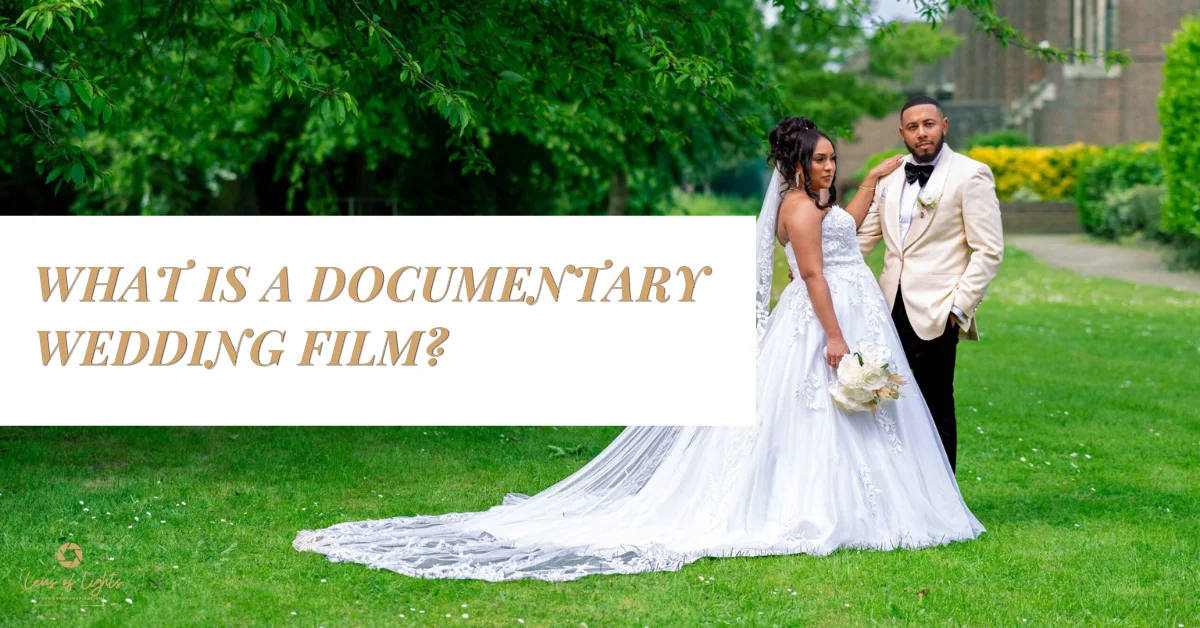
A documentary wedding film follows one simple rule: capture what happens, don’t create what happens.
The filmmaker stays out of the way and records your day from start to finish – like a news photographer who uses a video camera instead.
Core features:
- Chronological order. The film goes from getting ready to the last dance in a real sequence.
- No posing or staging. If your grandmother cries during the vows, it’s caught exactly as it happened.
- Full speeches and vows. Every word, every laugh, every heartfelt pause – kept in.
- Real, natural sound. The clinking of glasses, the crowd cheering, the whispers between family members.
- Longer run time. Usually 40–120 minutes of full-day coverage.
The big appeal is authenticity. Documentary filming is also less disruptive – you stay present with your guests instead of being pulled aside for directed shots. If you’re camera-shy or simply want to enjoy every moment without interruption, this style suits you best.
You can learn more about how to look natural in front of the camera on your wedding day – a feeling documentary filmmakers are specifically trained to protect.
What Is a Cinematic Wedding Film?
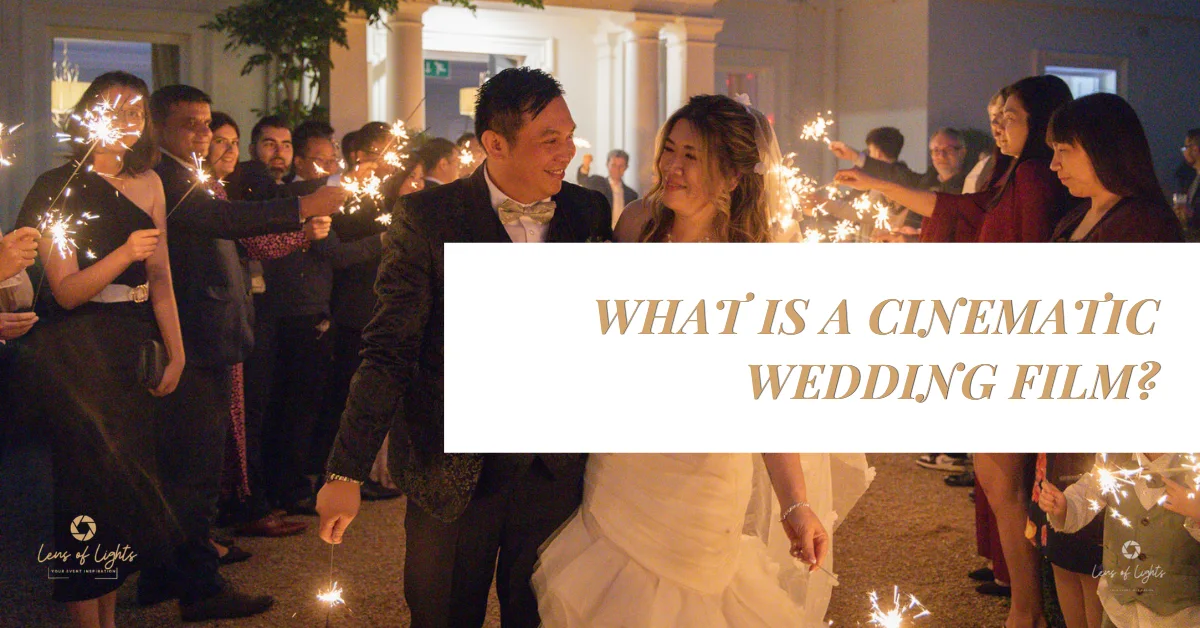
A cinematic wedding film takes its style from Hollywood movies. The goal isn’t to document your day in order – it’s to tell your story in a way that brings out the most emotion possible.
If a documentary film is a diary, a cinematic film is a short movie inspired by that diary.
Core features:
- Non-linear storytelling. Starts with a powerful moment, then moves around the day for emotional impact – not in order, but arranged for effect.
- Active direction. The videographer guides you: where to stand, how to walk, and when to look at each other.
- Music-driven editing. The soundtrack drives the whole film. Every cut matches a beat.
- Advanced camera moves. Drones, gimbals, sliders, slow motion – footage that looks and feels like a real movie.
- Heavy post-production. Colour grading, sound design, and detailed editing. Turnaround: 8–16 weeks.
- Shorter run time. Usually 4–20 minutes, focused on impact over completeness.
Couples see polished, beautifully edited films online and want the same for themselves. Check out the latest wedding videography trends UK couples are choosing in 2026 to see how these styles are evolving right now.
Documentary vs Cinematic: Full Side-by-Side Comparison
|
Features
|
🎥 Documentary Film
|
🎬 Cinematic Film
|
|---|---|---|
|
Core Goal
|
Preserve the day as it happened
|
Tell an emotional story of the day
|
|
Storytelling
|
Chronological - follows real events in order
|
Non-linear - arranged for maximum impact
|
|
Directing Style
|
Fly-on-the-wall; no posing or staging
|
Active direction; guided shots and setups
|
|
Camera Techniques
|
Discreet, handheld, multi-camera coverage
|
Drones, gimbals, sliders, crane shots, slow motion
|
Quick rule of thumb: Documentary asks “What happened?” Cinematic asks, “What did it feel like?”
The Emotional Payoff: Which Style Holds Up Better Years Later?
Documentary films are time capsules. Five years from now, your grandmother may have passed away. Your flower girl will be in middle school. The voices, the mannerisms, the way your dad laughed during the toast – documentary films keep all of it. You’re not just watching your wedding. You’re watching a living record of the people who were there.
This is also why many couples consider their wedding film a true family heirloom – something passed down, not just played back. If that idea resonates with you, read more about why your wedding film is the ultimate lifetime heirloom.
Cinematic films are emotional experiences. They’re not about every detail. They’re about the feeling of that day – the nerves, the joy, the love – packed into something that moves you every time you watch it. Many couples say their cinematic film is what they put on when they want to feel their wedding again, not just remember it.
A 2025 study cited by The Knot found that 19% of couples who skipped a videographer later regretted it. Whether you choose documentary or cinematic, the couples who look back with the most regret are almost always the ones who didn’t film their day at all.
The truth: neither style holds up “better.” They hold up differently.
- Documentary films reward detailed, repeated viewing
- Cinematic films reward emotional revisiting
4 Practical Questions to Help You Choose
- Do you want every moment or the best moments?
Every speech in full → Documentary. The heart of your day in 5 minutes → Cinematic. - How do you feel about being on camera?
Camera-shy or a packed schedule → Documentary. Love creative direction and don’t mind time set aside → Cinematic. - Who is the film actually for?
Sharing with family who couldn’t attend → Documentary (more complete and personal)
Posting on social media → Cinematic (shorter and naturally shareable)
Your children someday → Documentary (preserves real voices and faces best)
Rewatching as a couple on anniversaries → Either style works well - What will you actually sit down and watch? Be honest. A 90-minute documentary is a real time commitment. A 5-minute cinematic film is something you’ll actually watch on a Tuesday evening. Your answer here should drive your decision more than anything else.
Is There a Middle Ground?
Yes – a hybrid package gives you both:
- A cinematic highlight film (4–12 minutes) – beautiful, emotional, and easy to share
- A full documentary edit (30–90 minutes) – a complete archive of every moment
Many experienced filmmakers shoot with a hybrid mindset throughout the day – documentary techniques during the ceremony, cinematic direction during couple portraits, and natural sound throughout. It’s the best-of-both approach, and it’s growing fast.
Hybrid packages typically start at £2,500–£4,500+ from an experienced UK filmmaker. If you’re torn between styles, ask directly: “Can you build a package with both a cinematic highlight and a full documentary edit?”
Before you commit to any videographer, it’s also worth knowing the right questions to ask before hiring a wedding photographer or videographer in the UK – so you go into every consultation prepared.
3 Common Misconceptions Worth Clearing Up
- “Cinematic means better quality.” Cinematic is a style, not a quality level. A less experienced filmmaker with a drone and some colour filters can make a “cinematic-looking” video that’s actually worse than a beautifully-made documentary from a true professional. Always judge the work itself – not the style label. This is exactly why experience matters more than price when choosing your wedding videographer.
- “Cinematic films are fake because moments are staged.” Staging a portrait session doesn’t create fake emotions. A cinematic filmmaker may tell you where to stand – but they can’t control the way you look at each other. The love between two people on their wedding day is real, no matter what angle the camera is at.
- “Documentary films are always cheaper.” Sometimes – but not always. Experienced documentary filmmakers who can shoot 8–12 hours of real events and edit them into something compelling charge rates that match those of good cinematic filmmakers. You’re always paying for skill and experience, not just style.
Conclusion: Which Style Is Actually Right for You?
There’s no better style – only the right one for your situation.
- Every moment documented in full → Documentary
Emotion packed into - 5 powerful minutes → Cinematic
- Want both, without compromise → Hybrid package
Before you book, do these three things:
- Watch full films – not just trailers – from any filmmaker you consider
- Ask exactly what’s included in your package – highlight only, full documentary, or both
- Choose a filmmaker whose work genuinely moves you, whatever style label they use
Your wedding film is the one thing you’ll come back to for the rest of your life. It deserves as much thought as your venue, your dress, or your flowers. And if budget is part of your decision – which it usually is – remember that cutting corners on your film is one of the few wedding decisions couples consistently say they regret.
Ready to Choose Your Wedding Film Style?
At Lens of Lights we film weddings across the UK – from intimate ceremonies in Kent to large celebrations in London and beyond. Whether you want a raw documentary film, a beautifully crafted cinematic highlight, or a hybrid package that gives you both, we’ll build a package that fits your day perfectly.
We’d love to talk through your vision, see your venue, and help you decide which approach will serve you best.
👉 Book Your Free Consultation with Lens of Lights.
Or explore our wedding photo and videography packages and view real couples’ films in our portfolio before you reach out.
Frequently Asked Questions
What is the main difference between a documentary and a cinematic wedding video?
A documentary captures your day in order, unposed, complete, 40–120 minutes. A cinematic film is a crafted 4–20 minute highlight built around the most emotional moments, using creative editing and music.
Which style is better for long-term memories?
Documentary is better for preserving real moments in full. Cinematic is better at preserving the feeling of the day. Many couples get a hybrid package for both.
What to check in a portfolio?
Watch full videos, not just highlights.
Focus on audio, real moments, consistency, and emotional impact.
Can my videographer do both styles?
Yes – many experienced filmmakers, including the team at Lens of Lights, offer hybrid packages combining a cinematic highlight with a full documentary edit. Ask about it directly during your free consultation.
Related Articles:
London Registry Office Wedding Photography: Complete Guide
Quick Overview: London registry office wedding photography is short, fast...
Read More
12 Best Wedding Drone Shots Ideas for UK Couples in 2027
Quick Overview: The best wedding drone shots for UK couples...
Read More
9 Affordable Micro Wedding Venues in London
Quick Overview: The best affordable micro wedding venues in London...
Read More